Dental Crowns Southgate CA for Older Adults: Benefits and Considerations
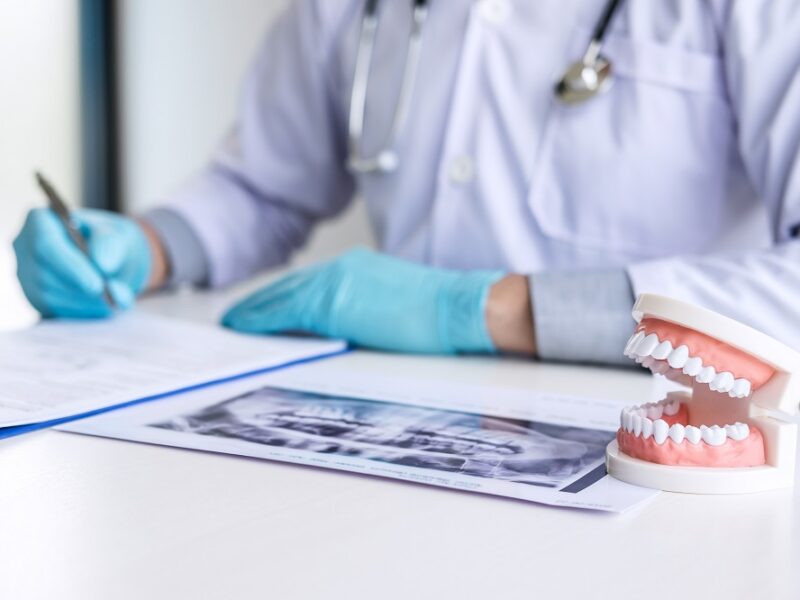
Aging changes teeth in quiet, cumulative ways. Enamel thins. Old fillings begin to leak. Tiny cracks that caused no trouble at 50 can become a real problem at 75. Medications reduce saliva, roots become more exposed, and years of chewing leave their mark. For many older adults, a dental crown is not a cosmetic extra. It is a practical way to keep a damaged tooth working comfortably and predictably.
That is why conversations about Dental Crowns Southgate CA often come up in the context of function, not vanity. A crown can protect a weakened tooth, restore chewing strength, and help an older adult avoid a larger procedure later. At the same time, crowns are not automatic choices. The right decision depends on bone support, gum health, bite habits, overall medical history, and the condition of the tooth underneath.
I have seen two very different outcomes from the same basic treatment. One patient in her early seventies had a heavily filled molar that cracked after years of hard chewing on one side. A well-made crown gave her another decade of dependable function. Another patient, older and medically more fragile, had a tooth with deep decay close to the bone and limited home care. In that case, placing a crown would have looked like a save, but the tooth did not have enough long-term predictability to justify the cost and effort. Good dentistry often comes down to this kind of judgment.
Why crowns become more relevant with age
A younger tooth with a small cavity can often be repaired with a simple filling. An older tooth is different. It may already hold a large silver filling placed thirty years ago. The cusps may be thin. The root surface may be softer and more prone to decay. There may also be old wear from grinding, or a history of root canal treatment that has left the remaining tooth more brittle.
A crown acts like a protective outer shell. It covers the visible part of the tooth and redistributes biting forces more evenly. On back teeth especially, that extra support can be the difference between a tooth that survives and one that fractures below the gumline.
This matters even more in older adults who want to keep eating a varied diet. Crunchy vegetables, meats, breads with a firm crust, nuts, and many culturally familiar foods require stable chewing. When one tooth hurts or flexes, people compensate. They chew on the other side. They avoid certain foods. Over time, that can affect nutrition, enjoyment, and even digestion.
There is also a timing issue. A tooth that could be restored with a crown today may require extraction if treatment is delayed. Deepening cracks do not announce themselves politely. They worsen under pressure.
What a dental crown actually does
A crown is a custom restoration that fits over a prepared tooth. Its basic jobs are straightforward. It rebuilds shape, restores strength, improves comfort during chewing, and can improve appearance when front teeth are involved. Crowns are commonly made from porcelain, zirconia, porcelain fused to metal, or metal alloys, depending on the location of the tooth and the demands placed on it.
For older adults, the goals are usually practical. Can the patient chew without pain? Can the tooth be cleaned well? Will the crown fit into a mouth that may already have recession, bridges, implants, or partial dentures? These details matter more than glossy marketing descriptions.
A crown may be recommended when a tooth has a large failing filling, a crack, extensive decay, severe wear, or a root canal. It can also be used to stabilize a tooth that serves as an anchor for a bridge or clasp.
What a crown does not do is fix every problem. It cannot reverse severe gum disease. It cannot compensate for a root fracture that extends too far below the gum. It cannot make a neglected tooth maintenance-free. That distinction is worth emphasizing, especially for families helping an older parent make treatment decisions.
The benefits older adults often notice first
Pain relief is usually the first improvement patients mention. A tooth that had become sensitive when chewing, or when drinking something cold, often settles once it is covered and sealed properly. That relief can feel dramatic when the problem tooth has been dictating food choices for months.
The second major benefit is stability. Older adults who have lived with patched teeth understand the pattern well: a filling chips, then another corner breaks, then the tooth catches food, then sensitivity increases. A crown can interrupt that cycle. Instead of another repair on the same weakened foundation, the tooth receives broader coverage.
Appearance may matter too, though it is not always the main reason for treatment. A front tooth with heavy discoloration, a large old filling, or a fracture can change someone’s willingness to smile. In many cases, a crown can restore a natural look without drawing attention.
There is also a less visible benefit, which is preservation of routine. When teeth function well, people keep their habits. They eat familiar foods, speak clearly, and maintain confidence in social settings. Dental treatment is sometimes discussed in narrow clinical terms, but its real impact often shows up in ordinary daily life.
When a crown makes sense, and when it may not
Not every damaged tooth should be crowned. This is where a careful exam matters. The dentist has to evaluate how much healthy tooth remains, whether the decay extends below the gumline, how stable the tooth is in the bone, and whether the roots are sound.
A crown tends to make good sense when the tooth is structurally compromised but still restorable. A molar with a large old filling and a cracked cusp is a classic example. So is a tooth after root canal treatment, especially in the back of the mouth where biting force is high. Front teeth can be different, since not every root canal tooth in the front needs full coverage immediately, but many still benefit from additional protection depending on the amount of remaining structure.
It may make less sense when the underlying prognosis is poor. If there is severe mobility from advanced gum disease, a vertical root fracture, recurrent decay deep below the gum, or not enough tooth left to retain the crown predictably, extraction may be the more realistic option. That can be a hard conversation, especially when patients naturally want to save what they still have. But placing a crown on a tooth with a weak foundation is often money spent on a short-lived fix.
There are also gray zones. Sometimes a tooth can be saved, but the expected lifespan is limited because of hygiene challenges, dry mouth, or heavy grinding. In those cases, the best decision may depend on the patient’s priorities, budget, medical status, and tolerance for future retreatment.
Special concerns in older adults
Older adults are not one group. A healthy 68-year-old who walks daily and maintains regular dental visits may have very different needs than a medically complex 86-year-old who depends on a caregiver for brushing. Still, some issues come up often.
Dry mouth is one of the biggest. Many medications, especially those for blood pressure, anxiety, bladder control, allergies, and depression, reduce saliva. Saliva protects teeth by buffering acids and helping clear food. When it is limited, the edges of crowns can become vulnerable to recurrent decay, particularly near the gumline and on root surfaces.
Gum recession is another common factor. As gums recede, the root becomes exposed. Root surfaces are softer than enamel and can decay more easily. A crown margin placed near an exposed root area needs excellent plaque control and regular follow-up.
Dexterity matters too. If arthritis or tremor makes brushing difficult, a beautifully made crown may still fail earlier than expected because the surrounding tooth structure cannot be kept clean. This is not a reason to deny treatment automatically, but it does change what kind of restoration is sensible and how the care plan should be built.
Bite force and parafunction also deserve attention. Many older adults have worn teeth from decades of clenching or grinding. Some have adapted to missing teeth by chewing almost exclusively on one side, which overloads specific molars. If these patterns are not considered, even a strong crown may chip or the underlying tooth may become sore.
Materials, fit, and appearance
Patients often ask which crown material is best. There is no universal answer. The right material depends on where the tooth is, how much force it handles, whether appearance is a priority, how much room exists between the upper and lower teeth, and what is happening elsewhere in the mouth.
Porcelain and ceramic crowns can look very natural, especially on front teeth. Zirconia is popular for its strength and can work well on back teeth. Porcelain fused to metal has a long track record and can still be a solid option in certain situations. Full metal crowns, while less common cosmetically, remain durable and conservative in areas that do not show when smiling.
For older adults, fit often matters even more than material. A crown that looks attractive but traps plaque at the margin, hits too high in the bite, or impinges on the gum will become a nuisance. The best crowns are boring in the best sense. They disappear into daily life. They feel normal, floss normally, and let the patient eat without thinking about them.
The role of root canals and foundation work
Many older teeth need more than a crown alone. If decay or fracture has reached the nerve, root canal treatment may be necessary first. If there is not enough remaining tooth structure to hold a crown securely, the dentist may need to build the tooth up with filling material. In some cases a post is placed inside the root to help support the core, though posts do not strengthen roots by themselves and should be used judiciously.
This can affect the overall cost, time, and prognosis. Families are sometimes surprised when a straightforward “crown” turns into a larger sequence of care. The reason is simple: the crown is only as good as the tooth under it. Restorative dentistry is a foundation business.
A practical example helps. Picture a lower molar with a large old amalgam, recurrent decay under one side, and a crack line through a cusp. If the nerve is calm and enough sound tooth remains, that may be a crown case with a buildup. If the tooth is already aching spontaneously or the decay reaches the pulp, the plan may shift to root canal treatment plus crown. If the crack runs down into the root, extraction may be unavoidable. Three paths, same starting complaint.
What the process usually feels like
For older adults who have not had major dental treatment in years, uncertainty about the process can be more stressful than the treatment itself. Most crown procedures begin with examination and imaging to evaluate the tooth and surrounding bone. The tooth is then reshaped so the crown has room to fit, impressions or digital scans are taken, and a temporary crown is often placed until the final one is ready.
The temporary phase deserves respect. It can feel slightly different, and it is not meant to handle excessive force. If it comes off, the office should be contacted promptly. Leaving a prepared tooth uncovered can lead to sensitivity or shifting.
At the cementation visit, the final crown is tried in, checked for fit and bite, then bonded or cemented in place. Minor adjustments are common. A crown should not feel “high” when biting. Even a small discrepancy can make the tooth tender or trigger jaw soreness.
Patients with neck stiffness, back pain, or limited ability to recline should mention that early. Appointment pacing can usually be adjusted. Sometimes a few short breaks make the visit much easier.
Questions worth asking before moving forward
Older adults and family members often do better when the conversation moves beyond “Can this be done?” and gets to “Is this the best use of time and money for this tooth?” A few questions tend to sharpen that discussion:
- What is the long-term prognosis of the tooth with a crown, based on my gums, roots, and bite?
- Are there alternatives, such as a large filling, onlay, extraction, or simply monitoring for a period?
- Will this tooth likely need root canal treatment now or later?
- How easy will this area be for me to clean at home?
- If the crown fails, what is the most likely next step?
Those questions do not signal distrust. They show good judgment. In my experience, the best treatment decisions happen when expectations are plain and realistic.
Cost, value, and the risk of doing too little
Crowns are not inexpensive, and for many retirees dental spending has to be weighed carefully against other priorities. That makes value more important than price alone. The least expensive option today is not always the least expensive over three years if it leads to repeated repairs, emergency visits, or eventual extraction.
Still, there is such a thing as overtreatment. Not every old filling deserves a crown simply because it is old. Some large restorations remain stable for years if there is no crack, no decay, and no weakness in the cusps. Likewise, not every worn tooth needs to be rebuilt. The clinical picture matters.
On the other side, doing too little can backfire. I have seen patients defer a recommended crown, choose another patch filling because it felt simpler, and return months later with a split tooth that could not be saved. The hard part is that both stories exist. Good care means identifying which one is more likely for the specific tooth in front of you.
When discussing Dental Crowns Southgate CA, local factors may shape timing and planning as well. Some patients are coordinating transportation, caregiver schedules, or insurance windows. Others are trying to complete treatment before travel or before a planned medical procedure. These practical details are not secondary. They often determine whether a crown is manageable and whether follow-up will happen on time.
Home care after the crown matters more than people expect
A crown does not get cavities, but the tooth underneath and around it certainly can. Most failures happen at the edges, where plaque accumulates and bacteria exploit tiny weak points over time. Daily cleaning remains the difference-maker.
These habits matter most:
- Brush along the gumline carefully, especially where the crown meets the tooth.
- Clean between teeth every day with floss, floss holders, or interdental brushes, depending on dexterity.
- Manage dry mouth with hydration and dentist-recommended products if medications are reducing saliva.
- Report a loose crown, food trapping, bleeding gums, or a bite that suddenly feels different.
- Keep recall visits, because small problems around crowns are easier to fix early.
For older adults with arthritis, enlarged handles, electric toothbrushes, and floss aids can make a dramatic difference. If a caregiver helps with oral hygiene, the dentist or hygienist should demonstrate the exact angle and technique needed around the crown margins.
The emotional side of saving a tooth
There is a personal dimension to this topic that often gets overlooked. Older adults may have already lost several teeth over the years. Saving one more can feel important far beyond function. It can represent continuity, self-respect, and relief from the fear of “my teeth are failing one by one.”
At the same time, preserving every tooth at any cost is not always the kindest or wisest plan. Sometimes the better path is to simplify, reduce future emergencies, and focus on comfort and maintainability. The right answer depends on health, support at home, and what the patient values most.
I have had patients say, quite plainly, “I want to keep what I can keep,” and others say, “I want the least trouble from Dental Crowns Southgate CA this point forward.” Both are reasonable goals. Crown decisions should serve the person, not just the tooth.
Choosing timing carefully
One final consideration for older adults is timing relative to medical care. If someone is about to begin cancer treatment, undergo major joint surgery, or start medications that affect bone healing, dental planning may need to be coordinated. A stable crown on a restorable tooth can be a smart preventive move before health becomes more complicated. But treatment should not be rushed without a clear understanding of the tooth’s prognosis.
Teeth tend to declare themselves at inconvenient moments, holidays, travel, caregiving transitions, and weekends. If a cracked or heavily restored tooth has already shown signs of weakness, addressing it before it becomes an emergency is often the better course.
Dental crowns can be excellent tools for older adults when used for the right reasons, on the right teeth, with realistic expectations. They protect vulnerable teeth, restore dependable chewing, and often spare patients from more invasive treatment later. Their success, though, depends on something less glamorous than the crown itself: diagnosis, fit, maintenance, and honest case selection.
For anyone considering Dental Crowns Southgate CA, the most useful next step is not to ask whether crowns are good or bad in general. It is to ask whether this tooth, in this mouth, under these health conditions, is likely to benefit from one. That is where good dentistry lives.
Simple Dental South Gate
Address: 8617 California Ave, South Gate, CA 90280
Phone number: +13236896118
FAQ About Dental Crowns Southgate CA
How much do crowns cost per tooth?
In the United States, a single dental crown typically costs between $800 and $2,500 per tooth without insurance. The ultimate out-of-pocket price depends heavily on the crown material, the location of the tooth, and whether you have dental insurance coverage.
What is the downside of crowns on teeth?
The primary downside of a dental crown is that the procedure permanently removes natural tooth enamel to shape the tooth for the cap.
Why do dentists push for crowns?
Dentists recommend crowns because a large filling cannot provide enough strength when a tooth loses a major portion of its structure or faces heavy chewing pressure.